How Does Climate in Colorado Affect the Need for Regular Tile Repair?
As a Colorado homeowner, you are no stranger to the breathtaking, yet rugged, environmental conditions of the Centennial State. While our high-altitude sun and alpine air make for beautiful living, they also present unique structural challenges for your home. Inside your bathrooms, kitchens, and entryways, your tile and grout are quietly bearing the brunt of Colorado’s extreme climate. Understanding how these local environmental factors stress your home can help you stay ahead of necessary tile repair and avoid expensive, large-scale replacements.
How Do Colorado’s Freeze-Thaw Cycles and Temperature Swings Impact the Need for Tile Repair?
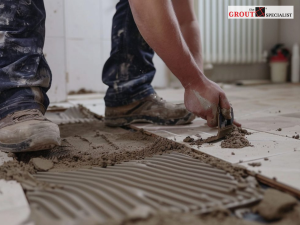
Regular Tile repair helps homeowners address cracks, loose tiles, and weather-related wear, keeping tiled surfaces durable and attractive throughout Colorado’s seasonal climate.
One of Colorado’s most famous weather traits is its rapid and dramatic temperature shifts. It is not uncommon to experience a 40-degree temperature swing in a single day. When the climate fluctuates so sharply, the wood, concrete, and subflooring beneath your tiles expand and contract rapidly. This constant shift puts immense structural stress on the rigid adhesive and grout holding your tiles in place.
When moisture from outdoor snow or humidity seeps into microscopic cracks in your grout, it can freeze overnight during cold snaps, expanding in volume. This cyclic freeze-and-thaw pressure acts like a tiny wedge, fracturing the grout lines and loosening the adhesive bond. Over time, this natural shifting creates hollow spaces beneath the surface, resulting in cracked or loose tiles that inevitably require professional tile repair to restore structural stability.
How Does Indoor Moisture and Dry Climate Variation in Colorado Contribute to Ongoing Tile Issues?
Colorado’s notoriously dry climate presents its own set of indoor challenges. While low humidity is comfortable, it can cause the wooden framing and subfloors of your home to dry out and shrink. Areas like showers, backsplashes, and laundry rooms introduce high levels of localized moisture. This sharp contrast between the dry ambient air of your home and the wet microclimates of your tile surfaces causes uneven shifting.
As the dry surrounding air pulls moisture out of your home’s structural framing, materials warp and settle at different rates. This movement stresses the waterproof barriers behind your tiled walls. Once the protective grout seal cracks from this tension, moisture easily bypasses the tile, rotting the drywall behind it and further loosening the tiles. Addressing these shifting moisture levels early with proactive tile repair prevents deep-seated water damage.
Don’t let minor cracks turn into costly water damage. Contact The Grout Specialist today to schedule a professional inspection and get your tile repair handled by the pros!