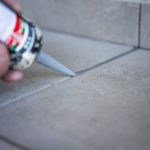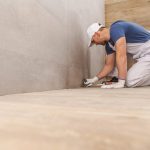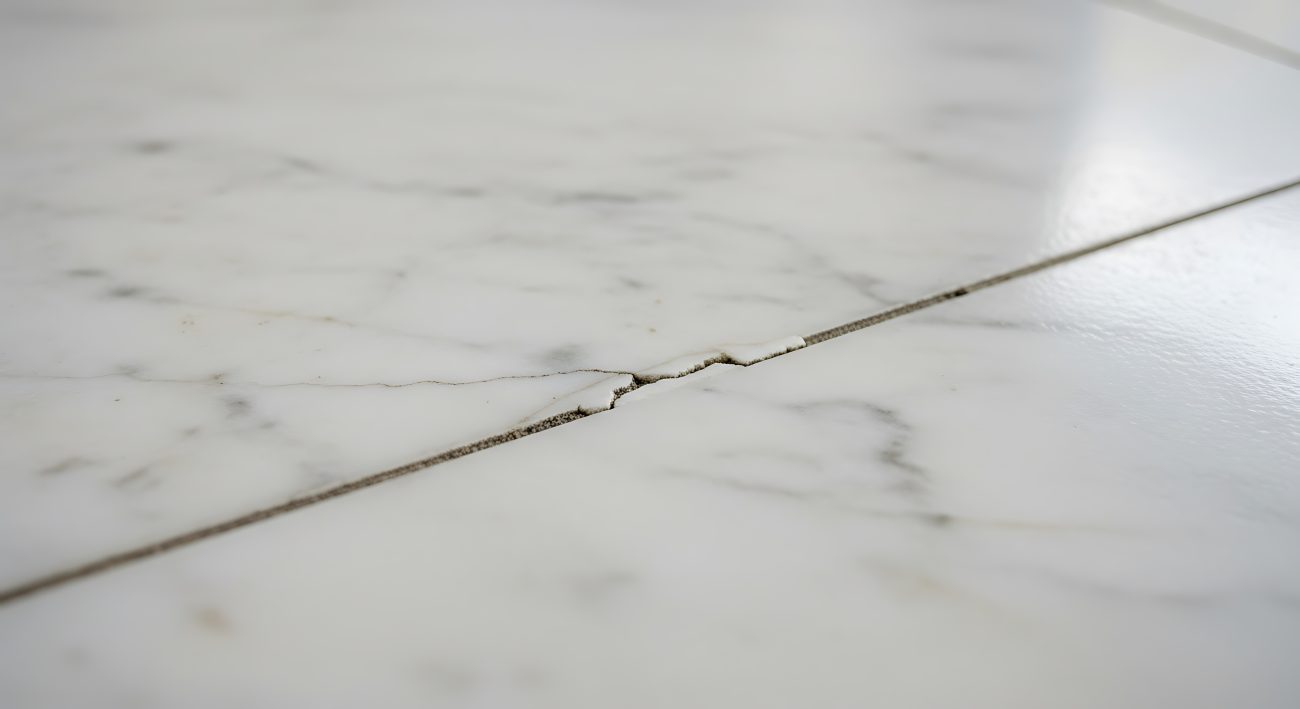
Is Grout Repair Safe for Natural Stone and Porcelain Tile?
Colorado homes often showcase a beautiful mix of rugged natural stone and sleek, modern porcelain. Whether it’s a slate entryway designed to handle snowy boots or a porcelain kitchen backsplash, the integrity of these surfaces relies heavily on the mortar between them. When cracks appear, or chunks begin to fall out, homeowners often worry: Will grout repair damage the delicate surface of the tile? The short answer is yes—it is safe, provided you adapt your approach to the specific material in your home.
How Grout Repair Methods Differ: Stone vs. Porcelain
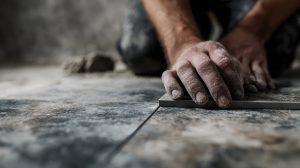
Grout Repair requires skilled craftsmanship to ensure tiles are properly aligned and protected, maintaining the beauty and durability of natural stone and porcelain surfaces.
While the goal is the same, the technique for Grout Repair must change based on the “hardness” and porosity of the tile.
- Porcelain Tile: Porcelain is incredibly dense and nearly impervious to moisture. This makes it more resilient during the grout removal process. Professionals can typically use mechanical oscillating tools to clear out old grout without worrying about the tile absorbing stains from the repair process.
- Natural Stone (Marble, Slate, Travertine): Natural stone is a different story. It is softer and far more porous than porcelain. Using a high-powered tool near the edge of a marble tile can cause “chatter” marks or chips. For stone, Grout Repair often requires manual precision and a gentler touch to ensure the stone’s edge remains crisp. Because stone is absorbent, the area must be pre-treated to ensure the new grout doesn’t “bleed” into the stone and cause permanent discoloration.
Choosing the Right Grout and Sealers for Protection
The job isn’t finished once the new grout is packed into the joints. To protect your Colorado home against the expansion and contraction caused by our extreme temperature shifts, you must select the right finishing products.
- Sanded vs. Unsanded: For the wider joints common in natural stone installations, sanded grout provides the necessary strength. For the razor-thin joints often found in rectified porcelain, unsanded or high-performance epoxy grouts are required to ensure deep penetration.
- The Role of Sealers: Natural stone must be sealed both before and after Grout Repair. A high-quality penetrating sealer acts as a barrier, protecting the stone from the pigments in the grout.
- Flexibility Matters: Because Colorado homes settle and shift with the seasons, many professionals recommend high-polymer additives during repair to give the grout a slight “flex,” preventing future cracking.
Your tile is an investment in your home’s value and beauty. Proper maintenance doesn’t just make your floors look better; it prevents water from seeping into your subflooring and causing expensive structural damage. Consult with The Grout Specialist today to keep your natural stone or porcelain looking flawless for years to come.