When Is the Best Time of Year to Do Re-caulking in Colorado’s Climate?
Caulk is not paint; you can’t just apply it whenever you feel like it and expect it to last. For homeowners in Colorado, the success of any re-caulking project depends entirely on the temperature and humidity during the crucial curing window. Applying caulk when it’s too hot, too cold, or too dry prevents the material from achieving its full flexibility and bond strength. To avoid the frustrating cycle of cracking and shrinking, let’s look at the optimal seasons for professional re-caulking that will give your home the durable seal it needs against our climate.
How Colorado’s Temperature and Humidity Affect Re-caulking Results
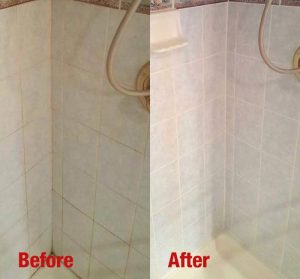
Before and after re-caulking: old cracked bathroom caulk replaced with a fresh, clean seal — a great example of how proper re-caulking boosts durability and moisture protection in Colorado’s changing climate.
Caulk is designed to stretch and compress with seasonal changes, but it must be applied under ideal conditions to cure correctly.
- The Prime Window: Spring and Fall: The best time for exterior and large interior re-caulking projects in Colorado is typically late spring (May to early June) or early fall (September to October). During these months, the daytime temperatures are moderate and, critically, the humidity is stable.
- Avoiding Extremes:
- Winter (Too Cold): Caulk applied in freezing temperatures can’t cure or bond properly, leading to brittle seals that crack instantly when the surface expands.
- Summer (Too Hot/Dry): While high heat speeds curing, the extreme dryness can cause the caulk to cure too quickly, leading to shrinkage and pulling away from the joint.
- The Crucial Role of Curing: Most high-quality siliconized or acrylic caulks require 24 to 72 hours to cure. Stable, moderate temperatures during this period are essential for achieving the strong, flexible, waterproof bond that keeps your new grout and tile protected.
Seasonal Maintenance Tips to Extend the Life of Your Caulk and Grout
Proactive maintenance can extend the life of your seals, protecting your beautiful new tile work:
- Year-Round Cleaning: Use non-abrasive, pH-neutral cleaners, especially on new grout and caulk. Harsh chemicals and abrasive pads can break down the caulk seal and strip the grout sealer.
- The Winter Check: Once a year, preferably after the harshest winter weather passes, visually inspect exterior window and door caulk. Look for gaps, cracks, or areas where the caulk has pulled away from the frame—these are prime entry points for moisture.
- Addressing Mildew: In bathrooms, mildew is a sign that the caulk is starting to fail or that ventilation is poor. If the mildew penetrates the caulk and cannot be cleaned, it’s time to replace that section entirely, regardless of the season, to prevent it from spreading.
Don’t let poor timing compromise your investment in new grout and tile. Proper re-caulking at the right time is your best defense against Colorado’s tough climate. Connect with The Grout Specialist today for a consultation and estimate!