Which Types of Tile Benefit Most From Tile Regrouting?
Over time, even the most durable tile installations can begin to show signs of wear. Cracked, stained, or deteriorating grout not only affects the appearance of your floors and walls but can also lead to moisture problems and structural damage. That’s why tile regrouting is an important maintenance service for homeowners who want to preserve the beauty and longevity of their tiled surfaces. While nearly all tile installations can benefit from fresh grout, some types of tile are especially good candidates for tile regrouting.
High-Traffic Tile Surfaces That Need Tile Regrouting
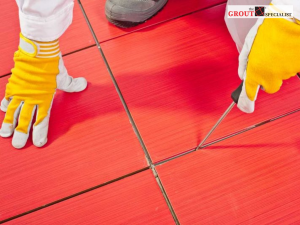
Tile regrouting improves the durability and appearance of tile surfaces by replacing worn grout and preventing moisture damage.
Areas that experience constant foot traffic are among the most common places where grout begins to break down. Entryways, kitchens, hallways, and mudrooms endure daily wear from shoes, dirt, and frequent cleaning. As grout ages, it can crack, discolor, or become loose, leaving gaps between tiles.
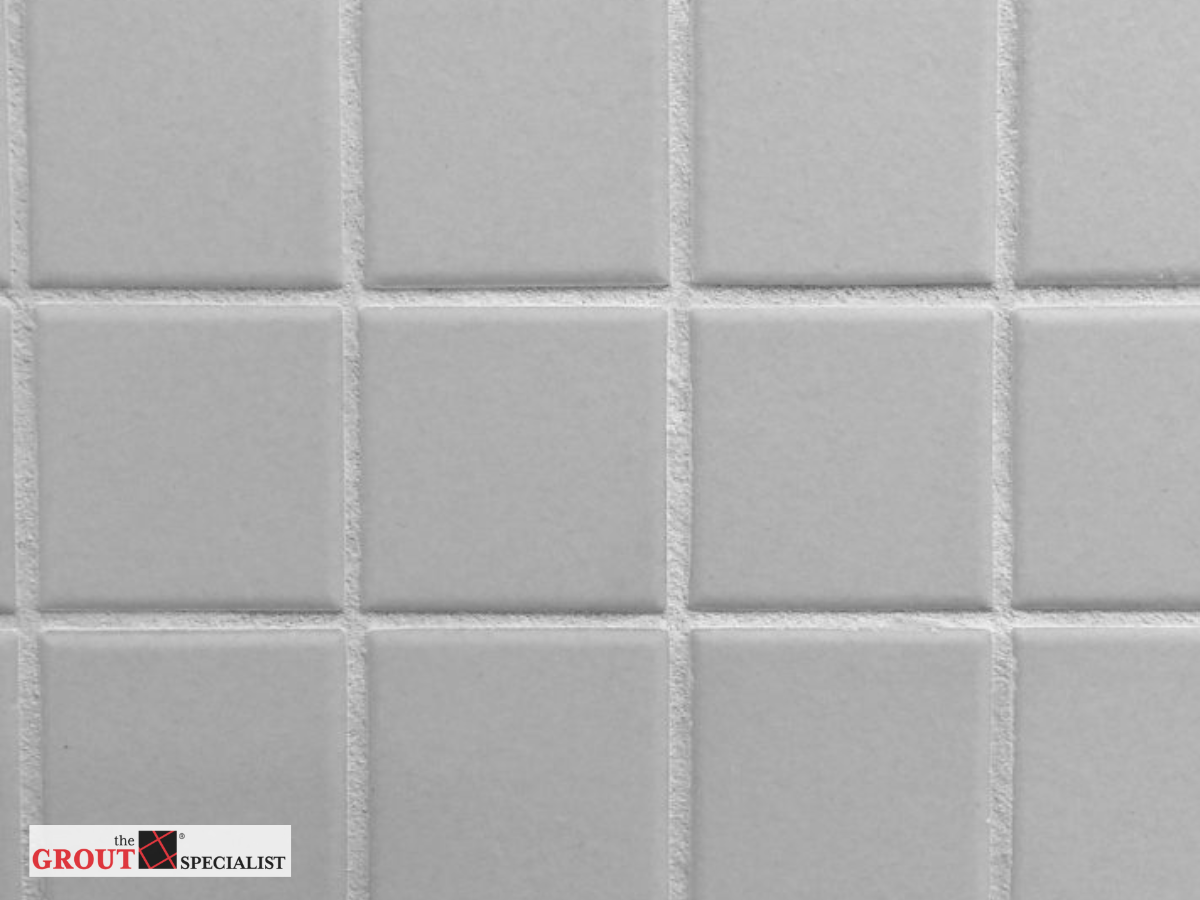
Porcelain and ceramic floor tiles, which are popular choices in Colorado homes, often benefit significantly from tile regrouting when grout lines become worn. Replacing damaged grout restores the clean appearance of the floor while helping keep tiles securely in place.
Commercial-style kitchens and open-concept living spaces with large tiled areas can also experience grout deterioration over time. Regular inspections and timely tile regrouting help prevent minor grout issues from becoming larger and more expensive repairs.
Moisture-Prone Tiles and the Importance of Regrouting
Bathrooms, showers, laundry rooms, and kitchen backsplashes are constantly exposed to moisture. In these environments, grout serves as a critical barrier that helps prevent water from seeping beneath the tile surface. When grout becomes cracked or missing, moisture can penetrate behind the tiles, potentially leading to mold growth, mildew, and water damage.
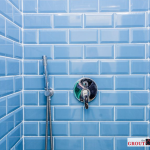
Shower tiles are among the biggest beneficiaries of tile regrouting. Even high-quality grout can deteriorate after years of exposure to water, cleaning products, and humidity. Fresh grout helps restore the waterproof integrity of the installation and improves the overall appearance of the space.
Natural stone tiles, including travertine, slate, and marble, can also benefit from regrouting. Since these materials are often installed in bathrooms and other moisture-prone areas, maintaining healthy grout lines is essential for protecting the investment and preserving the tile’s beauty.
Whether you have ceramic, porcelain, or natural stone tile, keeping grout in good condition is essential for maintaining both appearance and performance. Tile regrouting can extend the life of your tile surfaces, improve cleanliness, and help prevent costly moisture-related damage.
If your grout is cracked, stained, or deteriorating, now is the perfect time to take action. Contact The Grout Specialist today for professional tile regrouting services and discover how fresh grout can transform the look and durability of your tile surfaces.