Can Caulking & Recaulking Prevent Mold and Mildew Growth?
For homeowners in Colorado, moisture control is one of the most important parts of maintaining a healthy home—especially in bathrooms, kitchens, and laundry areas. One often-overlooked but highly effective solution is Caulking & Recaulking. When properly applied and maintained, caulk acts as a protective barrier that helps prevent water intrusion, which is a leading cause of mold and mildew growth.
How Proper Caulking & Recaulking Seals Moisture-Prone Areas
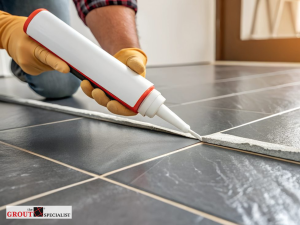
Caulking & Recaulking helps prevent mold and mildew by sealing moisture-prone areas, protecting tile surfaces, and maintaining a clean, watertight finish.
Moisture-prone areas such as showers, bathtubs, sinks, and backsplashes are constantly exposed to water and humidity. Over time, original caulking can crack, shrink, or peel away, leaving small gaps where water can seep behind tiles or into wall cavities. Once moisture becomes trapped, it creates the perfect environment for mold and mildew to grow.
Regular Caulking & Recaulking help maintain a tight, waterproof seal around joints and seams. By sealing these vulnerable areas, homeowners can prevent water from penetrating behind tile surfaces and reduce the risk of long-term structural damage. In Colorado homes, where temperature fluctuations can also cause expansion and contraction of building materials, fresh caulking is especially important for maintaining a durable seal.
Timely recaulk applications also improve the overall appearance of tiled spaces, giving bathrooms and kitchens a cleaner, well-maintained look while enhancing protection against moisture-related issues.
The Role of Caulk Type and Maintenance in Mold Prevention
Not all caulk is created equal, and choosing the right type plays a major role in preventing mold and mildew. Silicone caulk is commonly used in wet areas because it is highly water-resistant and flexible, making it ideal for showers and tubs. Some modern caulks are also labeled as “mold-resistant,” containing additives that help inhibit fungal growth over time.
However, even high-quality caulk requires regular maintenance. Exposure to soap, cleaning chemicals, and constant moisture can eventually break down its effectiveness. That’s why routine inspection and Caulking & Recaulking are essential for long-term mold prevention. Replacing old or damaged caulk ensures that moisture is consistently kept out of hidden areas where mold typically thrives.
Homeowners should also pay attention to early warning signs such as discoloration, cracking, or separation from tile edges. Addressing these issues promptly can prevent costly repairs and improve indoor air quality.
Caulking & Recaulking is one of the simplest and most effective ways to protect your home from mold and mildew growth. By maintaining proper seals in moisture-prone areas and choosing the right materials, homeowners can extend the life of their tile installations and preserve a cleaner, healthier living environment.
If your caulking is cracked, aging, or showing signs of wear, now is the time to take action. Consult with The Grout Specialist for professional Caulking & Recaulking services and protect your home from moisture damage before it becomes a bigger problem.